
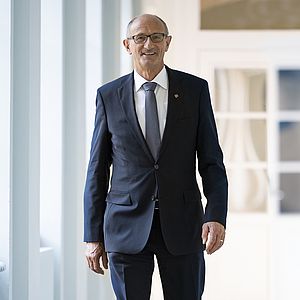

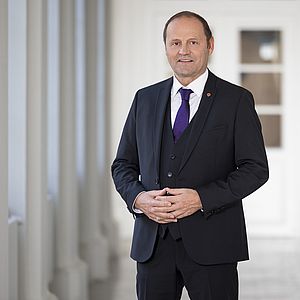
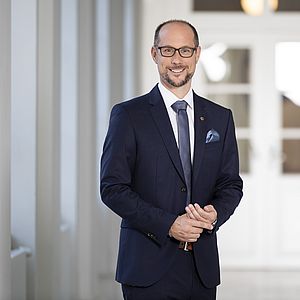
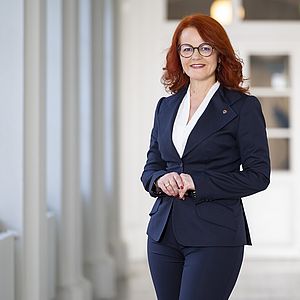
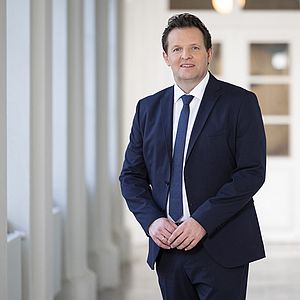
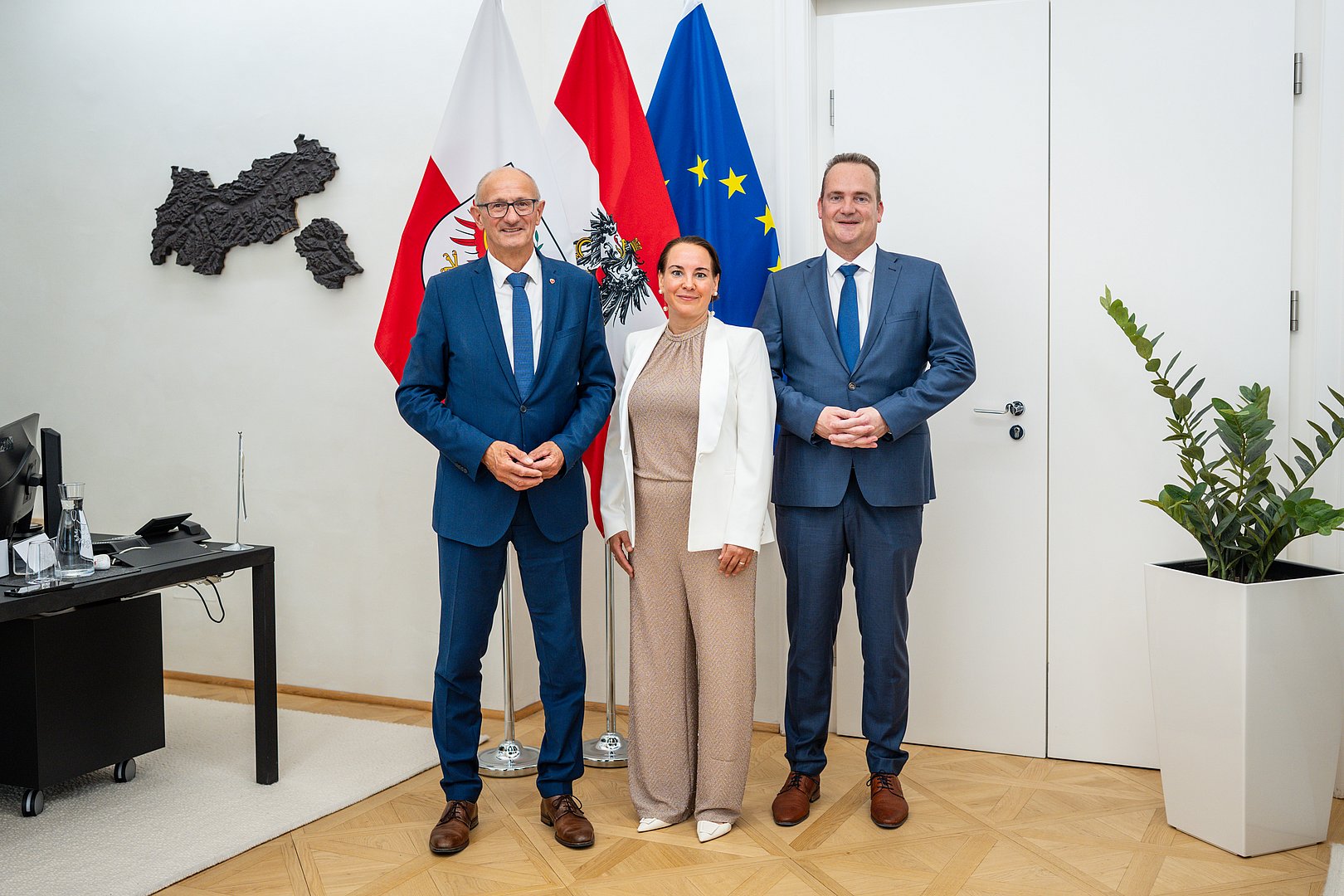
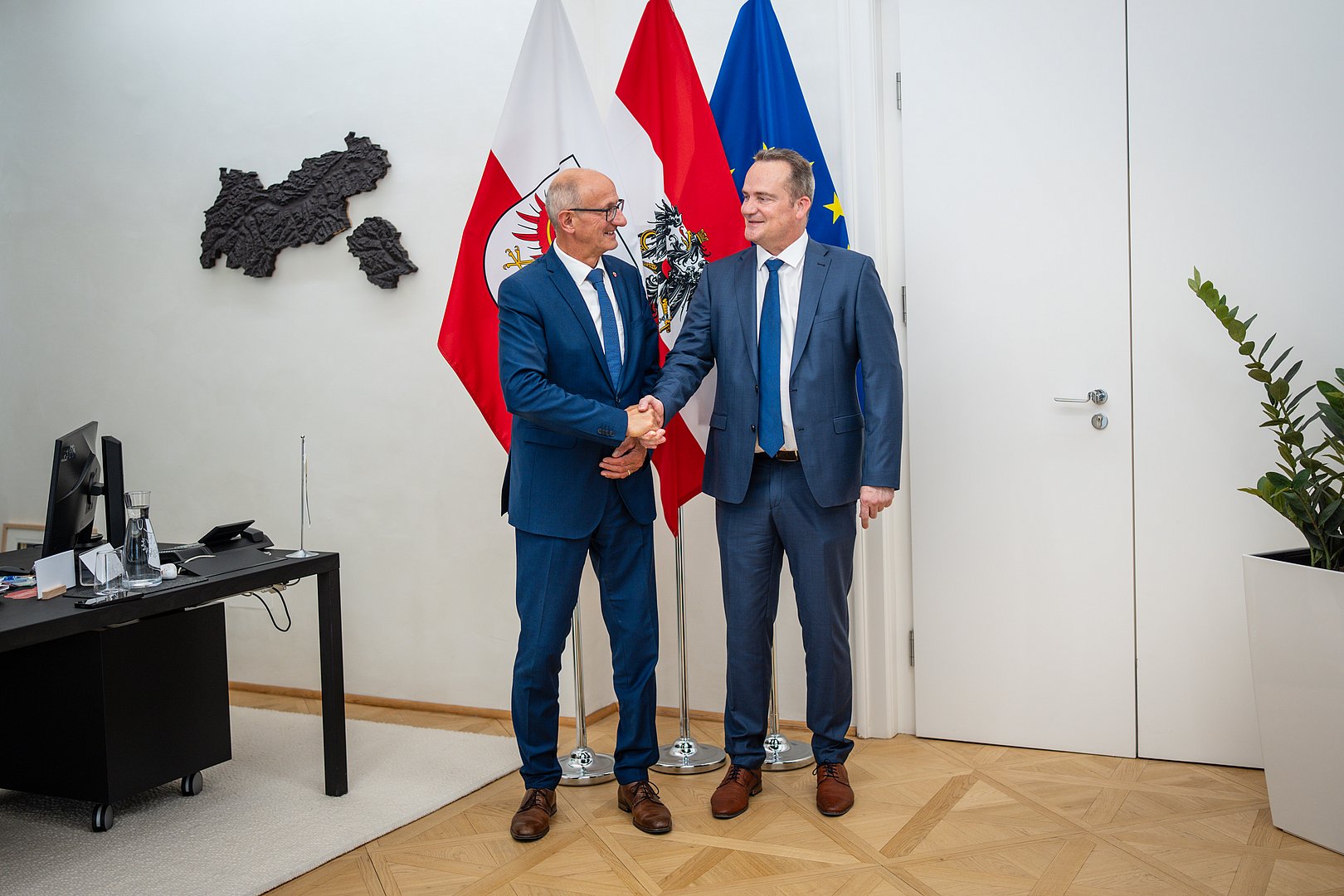
- Governor Anton Mattle welcomed Oliver Paasch, Minister-President of the German-speaking Community of Belgium, to Innsbruck.
- Declaration of cooperation signed in key future-oriented areas including education, European affairs, tourism, health, and social policy.
- Long-standing partnership between Tyrol and the German-speaking Community of Belgium reaffirmed.
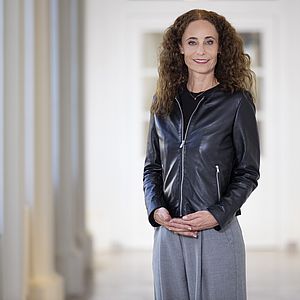
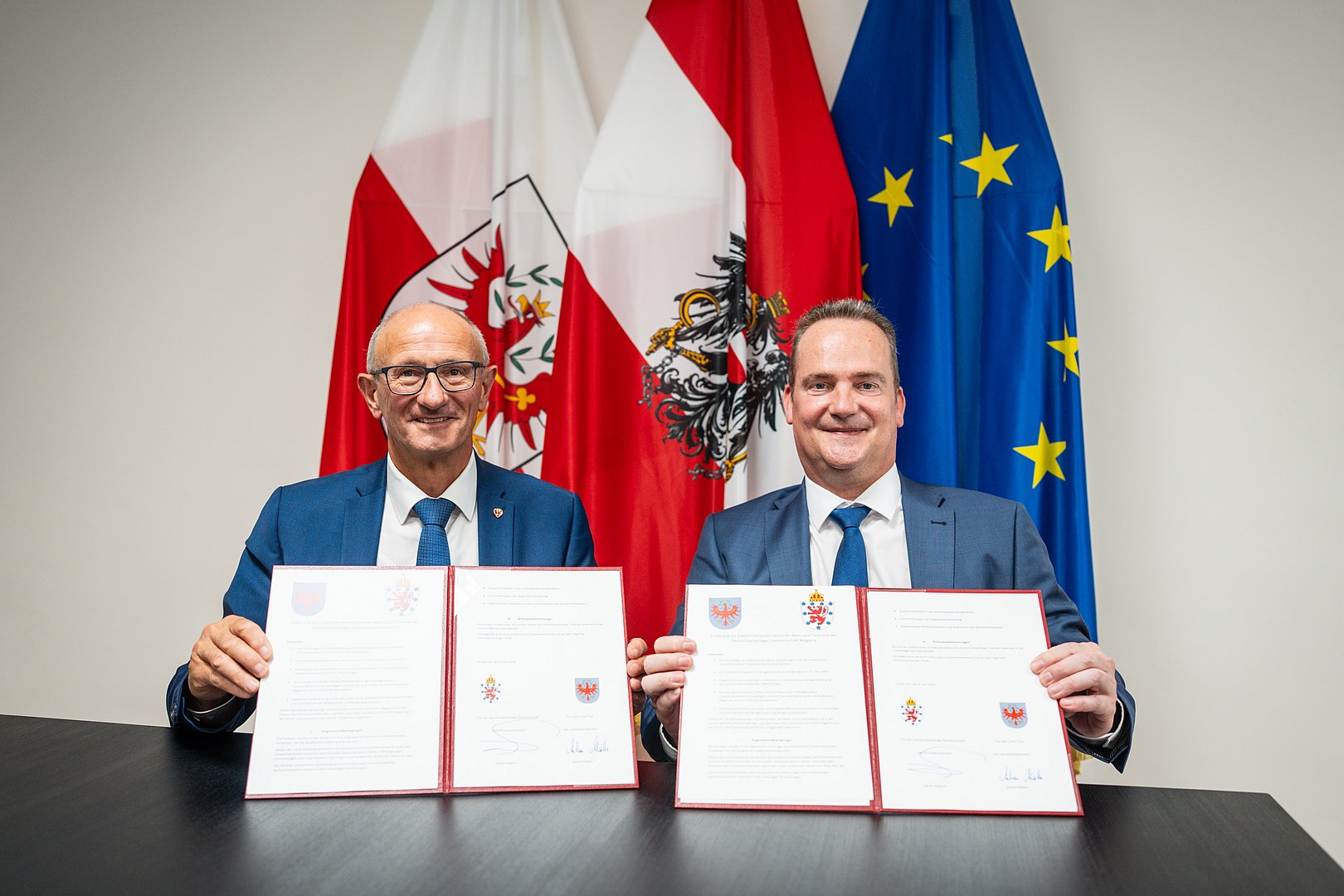
What do Tyrol and East Belgium have in common? More than one might expect at first glance. Both regions are committed to strong municipalities, effective regional governance, and cross-border cooperation. Last week, Tyrol's Governor Anton Mattle welcomed Oliver Paasch, Minister-President of the German-speaking Community of Belgium, to the Tyrolean Landhaus in Innsbruck. Together with Lydia Klinkenberg, a minister of the German-speaking Community, they signed a renewed declaration building on the cooperation agreement concluded in 2002 and the long-standing partnership between the two regions. The declaration provides the foundation for expanding cooperation in areas such as education, European affairs, tourism, health, and social policy, while further developing this successful partnership to meet future challenges.
"Good ideas emerge where people and regions learn from one another. That is exactly what our cooperation with East Belgium is about. We want to share our experiences, further develop successful projects, and work together to find solutions to the challenges facing many regions across Europe," Governor Anton Mattle emphasised.
From education to tourism and strong regions: sharing knowledge and delivering joint projects
The declaration aims for closer cooperation in the fields of education and schooling, employment, culture, sport, leisure and tourism, social affairs and healthcare, family policy, as well as European and regional policy. Its focus is on exchanging experience and best practices, implementing joint projects, and strengthening networks between institutions and partner organisations.
One concrete example of this cooperation is the project "Friendship in Motion", which enables children and young people with disabilities from Tyrol and East Belgium to participate in reciprocal exchange programmes. The State of Tyrol supports the initiative as part of its educational policy measures.
Border regions as a living example of European integration
Both regions are concerned by the European Commission's proposal to shift cohesion policy towards national plans.
"We are both strong regions with legislative powers. Nationalising cohesion policy is the wrong approach because it increases the distance between European policy and European citizens. More than 90 percent of European measures are implemented by the regions. That is why the European Union must be visible and tangible at the local level. Only then can we explain the added value of Europe to our citizens. This has always been the fundamental idea behind European integration. As border regions, we make an even greater contribution to mutual understanding across Europe. Any move towards centralisation is therefore a step in the wrong direction," Governor Mattle stressed.
More than twenty years of close cooperation
Relations between Tyrol and the German-speaking Community of Belgium date back several decades and have been continuously strengthened, particularly under former Minister-President Karl-Heinz Lambertz and former Governor Herwig Van Staa. In addition to regular bilateral exchanges, both partners work closely together at the European level, including within the European Committee of the Regions and the Congress of Local and Regional Authorities of the Council of Europe.
A visible symbol of this long-standing friendship is the Tyrolean Festival in Eupen, which has brought together people from both regions for more than 40 years. The event's proceeds are consistently donated to charitable causes.
By signing the renewed declaration, both partners reaffirm their commitment to continuing existing cooperation, launching new joint initiatives, and strengthening the role and interests of Europe's regions. The overarching goal is to further develop this partnership for the benefit of the citizens of both regions.